Recognized by the Prime Minister Shri Narendra Modi in “Mann Ki Baat” — The Book Man of Chandigarh, Mr. Sandeep Kumar.


When Children Could Not Reach Books, Books Reached Them
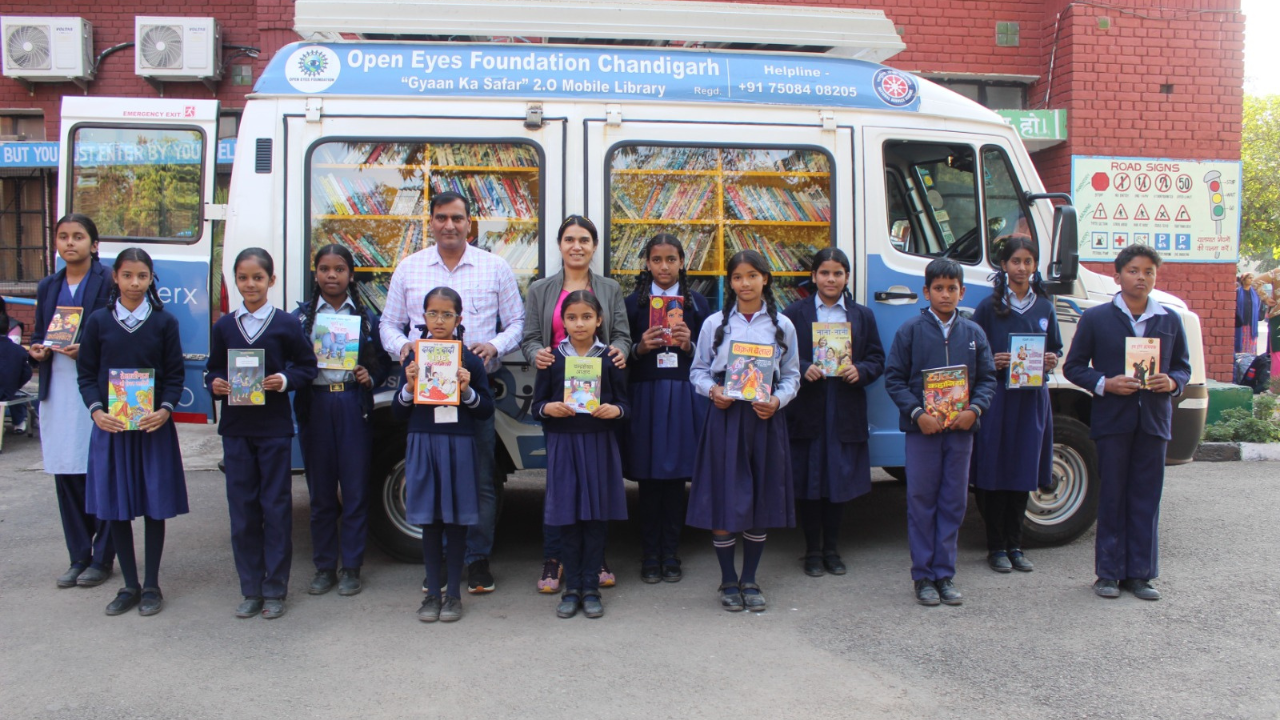
A Library On Wheels
In 2020, when the COVID-19 pandemic brought the world to a standstill, schools were closed, children were confined to their homes, and education moved online. While many children continued learning through digital devices, thousands of children from underserved communities were left behind. They had no access to online learning and, more importantly, no access to books.
This reality raised an important question:
If children cannot reach books, can books reach children?
At Open Eyes Foundation, we had already been working with children through educational resource reuse initiatives. During the pandemic, we saw that many children had no books at home beyond their school textbooks. Storybooks, comics, biographies, science books, and general knowledge books were simply absent from their lives. Without access to books, children had fewer opportunities to develop curiosity, imagination, reading habits, and independent learning. The answer led to the birth of Gyaan Ka Safar, a mobile library initiative designed to take books directly to children. What started as a response to a crisis gradually evolved into a long-term educational initiative. Instead of waiting for children to visit a library, the library began visiting children. Today, Gyaan Ka Safar operates through two mobile libraries carrying more than 4,000 books. Every month, the mobile libraries visit schools, NGOs, and underserved communities, providing children with free access to storybooks, comics, biographies, science books, moral stories, and general knowledge books. The process is simple. Children borrow books, read them over the next thirty days, and return them during the next visit. Fresh books are then issued, keeping the reading journey active throughout the year.
- Books reached children when classrooms could not.
- Two mobile libraries carry over 4,000 books every month.
- Children borrow, read, and exchange books every 30 days.
- 60+ schools and communities now receive regular library visits.
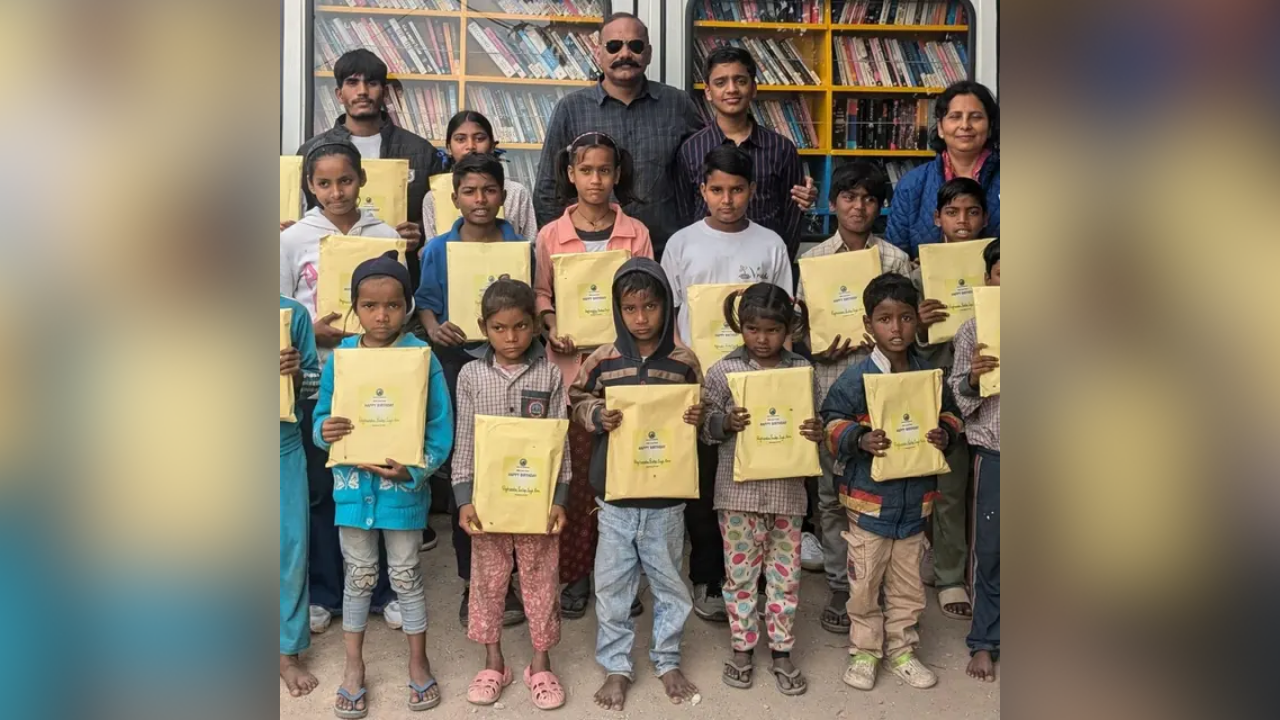
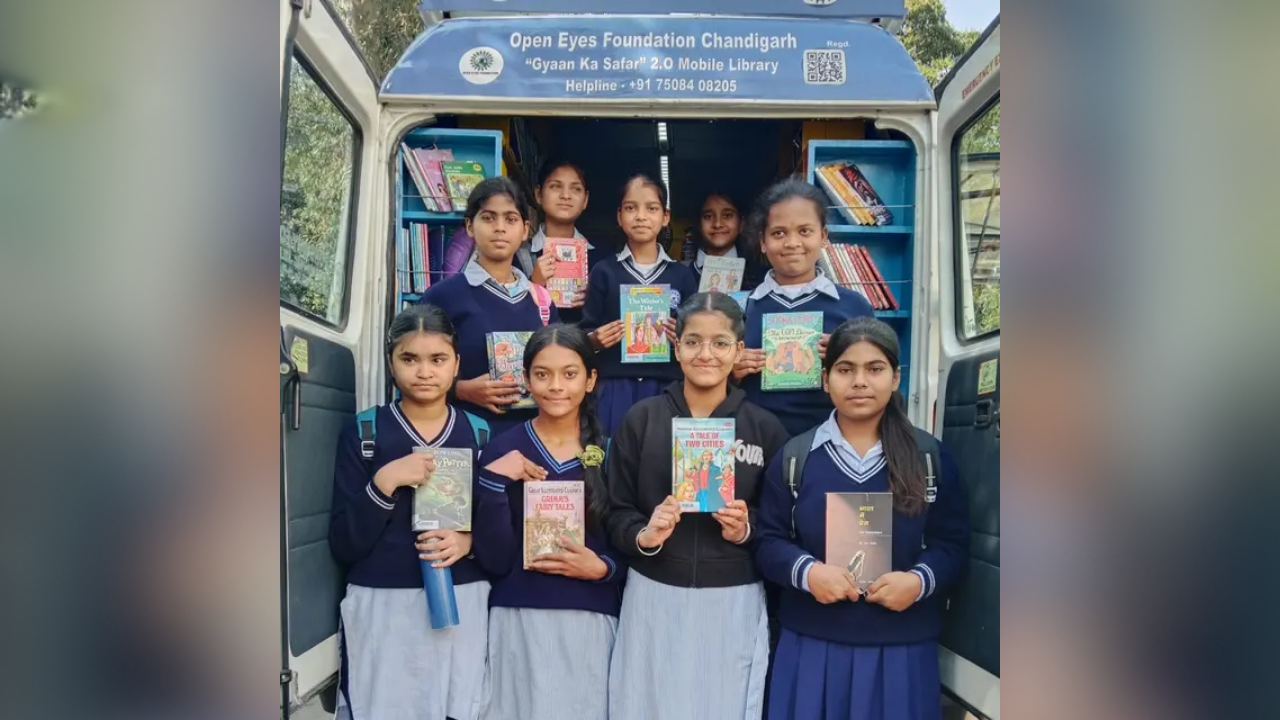
Creating Readers, One Visit At A Time
For many students, the arrival of the library van became one of the most exciting days of the month. They eagerly returned previously issued books and looked forward to selecting new ones. Reading became more than an activity it became something they anticipated and genuinely enjoyed. The need for Gyaan Ka Safar became even clearer as we visited schools. In many places, libraries were either unavailable, contained very limited books, or remained locked and inaccessible to students. As a result, children rarely had opportunities to explore books beyond their textbooks. Gyaan Ka Safar was created to bridge this gap. Each year, the initiative reaches more than 60 schools, NGOs, and communities, helping thousands of children gain access to books that inspire curiosity, creativity, imagination, and lifelong learning. The impact of the initiative was recognized nationally when Prime Minister Narendra Modi mentioned the mobile library in Mann Ki Baat. Following this recognition, the State Bank of India supported the initiative by donating a Force Traveller vehicle, strengthening our ability to reach even more children with books.
At its heart, Gyaan Ka Safar is built on one simple belief:
Every child deserves access to books. Because when children gain access to books, they gain access to ideas, imagination, knowledge, and possibilities. Sometimes, a single book can open the door to a future a child never knew existed.
“
"When children cannot reach books, books must find their way to every child.."
- Blog & News